
VDL Enabling Transport Solutions
Automotive Campus 59 5708 JZ Helmond The Netherlands
© VDL Groep 2026
Automotive Campus 59 5708 JZ Helmond The Netherlands
DITM stands for Digital Infrastructure for Future-Proof Mobility. It is a national project subsidized by the Dutch government. Within the project, Brainport Development and RAI Automotive Industry NL collaborate with partner companies on implementing the digital infrastructure for automated transport. This enables us to organize mobility more efficiently and safely. Key aspects include innovative digital map production systems that create and update maps based on continuous sensor observations of road infrastructure and the growing number of ‘smart’ vehicles on the road.
Use Cases Driving Innovation
Autonomous Yard Manoeuvring
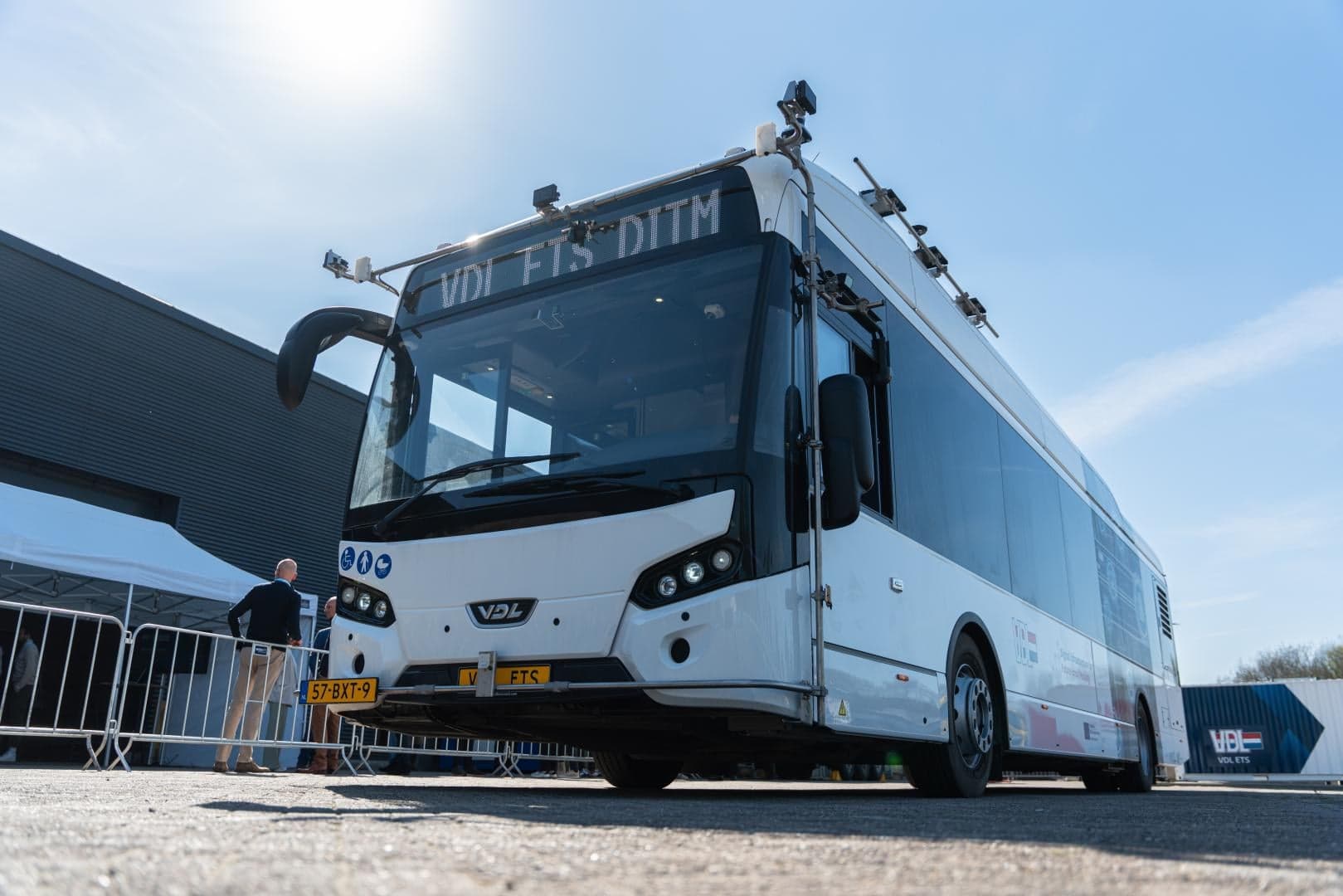
Imagine a bus moving independently within the depot—from the parking area to the wash station or a charging point. This is what we call Autonomous Yard Manoeuvring. By implementing this technology, we create more flexibility in operations and enable staff to work more efficiently. The result? Significant cost savings over time.
Automatic Docking at Bus Stops
When a bus operates on a timetable, the driver moves from stop to stop. With automatic docking, we can automate the arrival process so the bus halts at an exact point.
This ensures:
Platooning for Increased Capacity
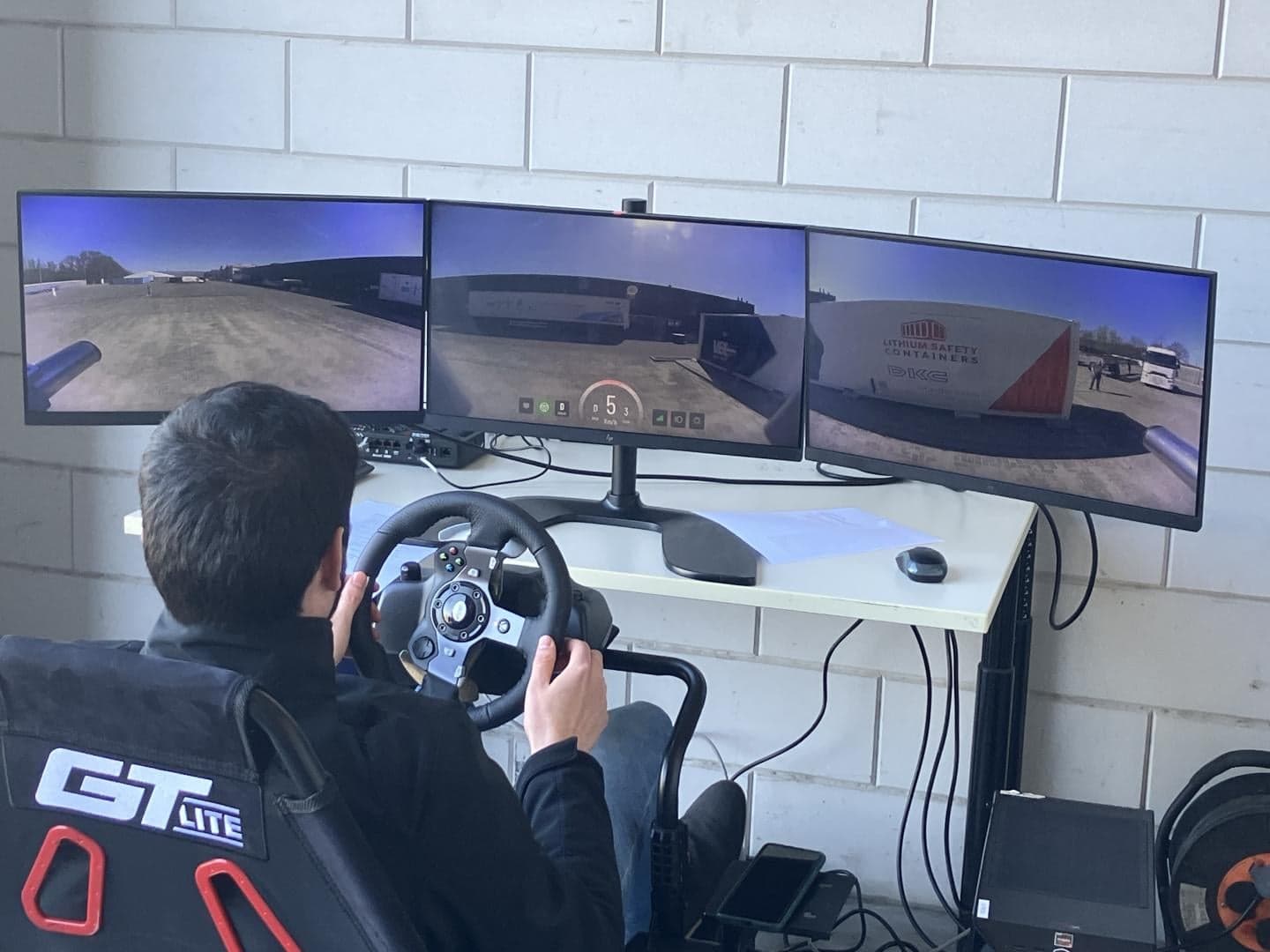
Platooning allows multiple buses to drive in a convoy, with the driver in the lead vehicle while the following buses operate autonomously.
Key features:
Why It Matters
These innovations are part of the DITM project (Digital Infrastructure for Future-Proof Mobility), a national initiative supported by the Dutch government. By combining automation with digital connectivity, we’re shaping a safer, smarter, and more efficient future for public transport.
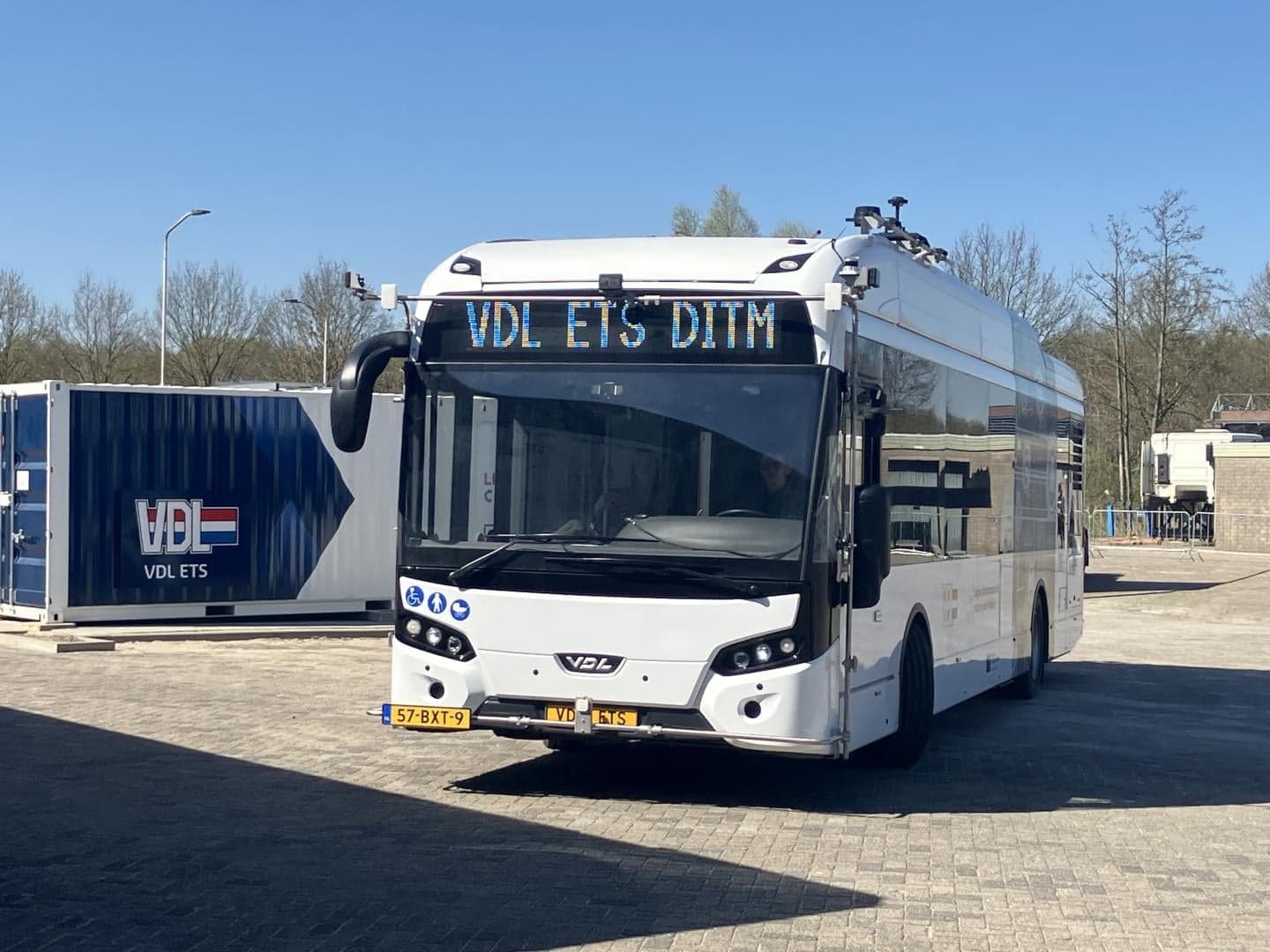
This is a critical route section with very limited space, requiring extremely precise vehicle positioning. Advanced sensor fusion, combining GPS, LiDAR/radar, IMU, wheel-speed and UWB sensors, ensures reliable localization, even during the transition from outdoor to indoor environments where GPS is lost. Maintaining accuracy at all times.
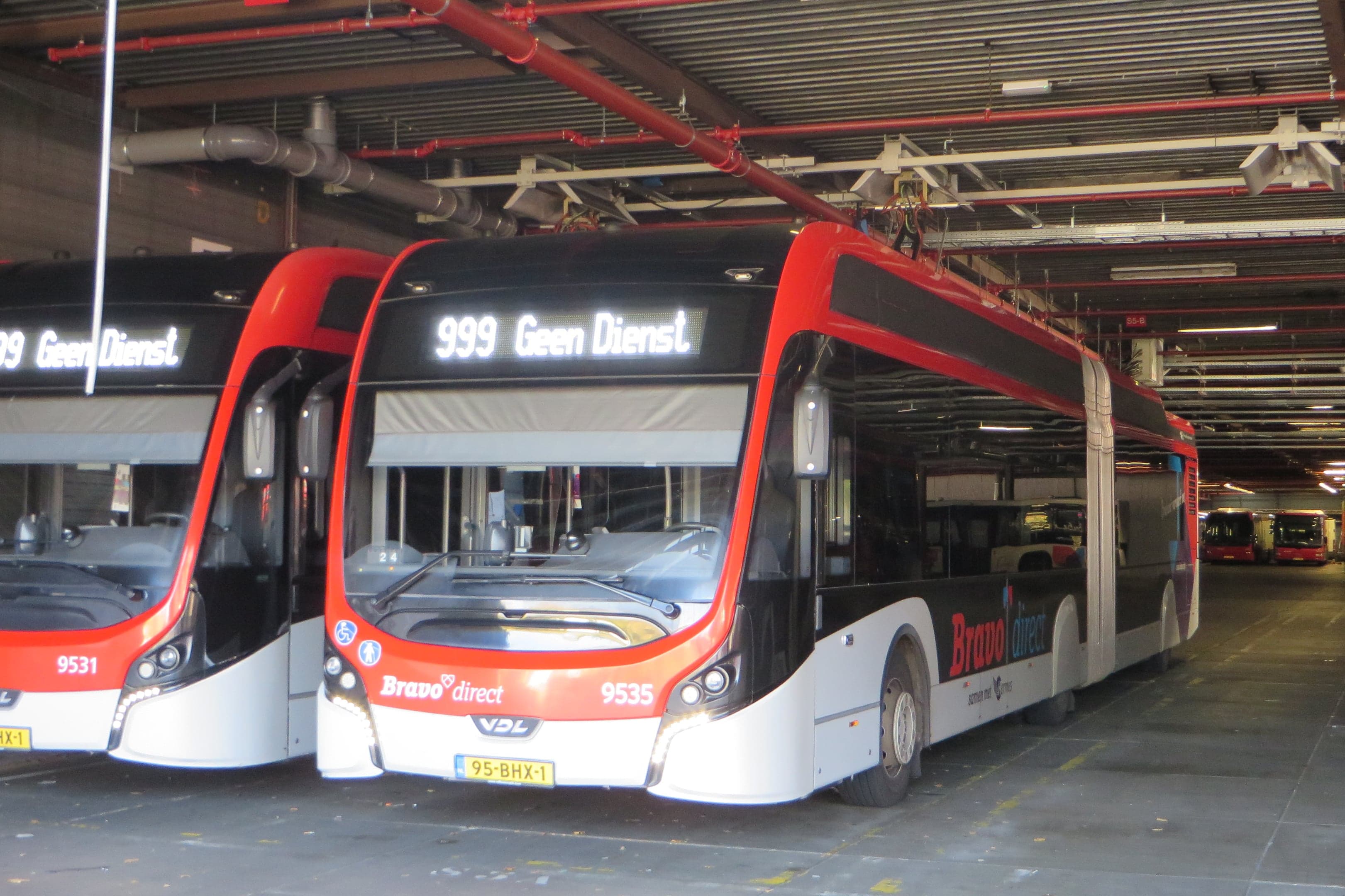
Enables automated and efficient parking within the depot. The vehicle follows a predefined route to an assigned in- or outdoor parking spot, navigating safely even without GPS, and parks precisely with ~60 cm spacing. Vehicles are organized in rows and move forward automatically when space becomes available, increasing capacity and enabling supervised charging.
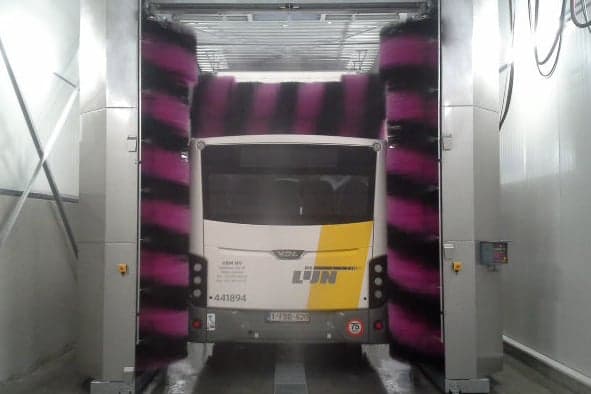
Covers automated driving to the depot wash station. The vehicle follows a predefined route using map data an onboard sensors. It aligns precisely and stops within ±5 cm accurately. This high-precision positioning prevents contact with the installation and ensures safe operation. The bus then switches to parking mode and is ready for automated cleaning.
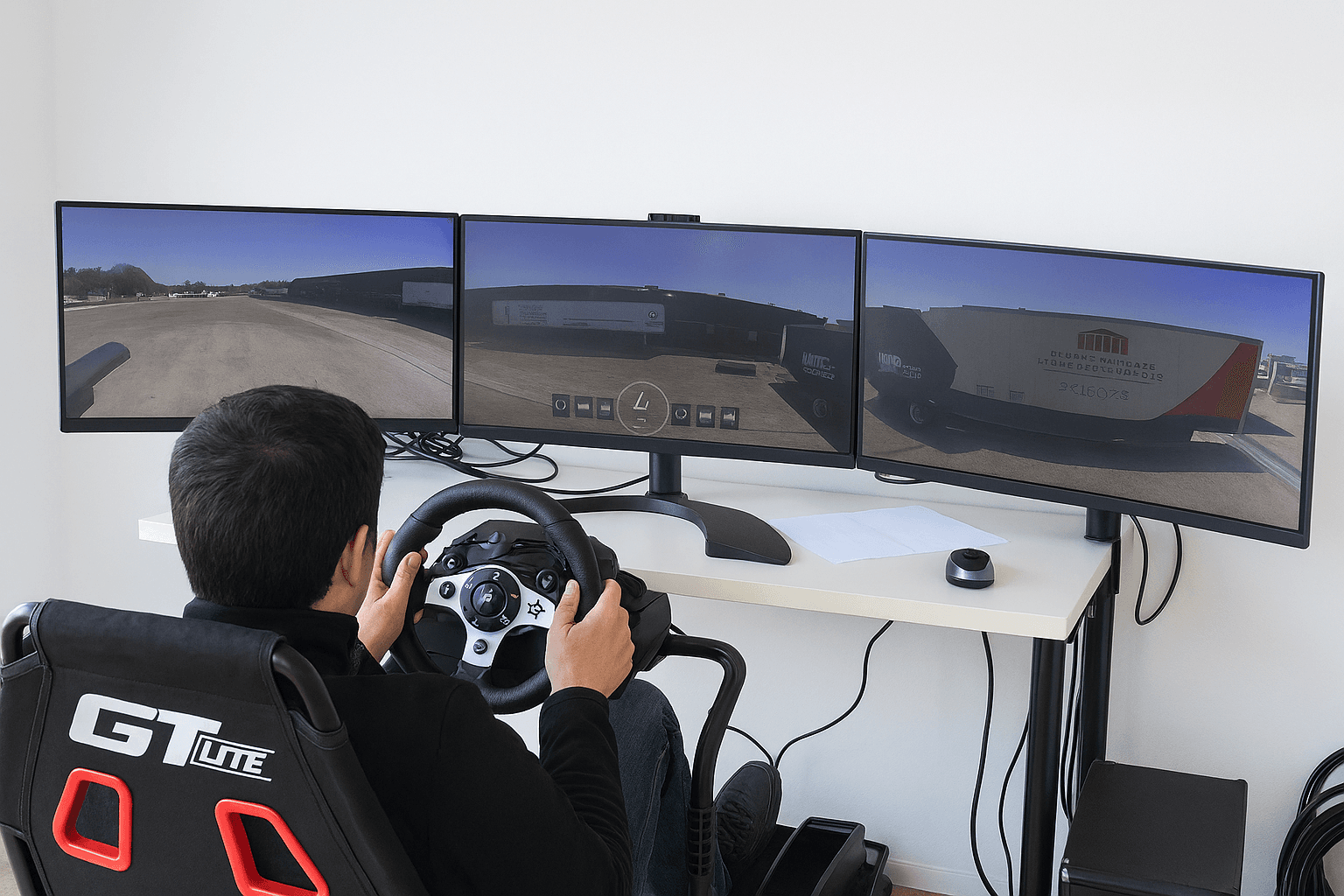
If a vehicle is not able to execute the requested trajectory, the teleoperator can be requested to remotely resolve the problem. The teleoperator is given control of the vehicle and operates steering, brakes and throttle remotely. With this control the teleoperator drives the vehicle around the blockage. From there, the AYM can be reactivated.
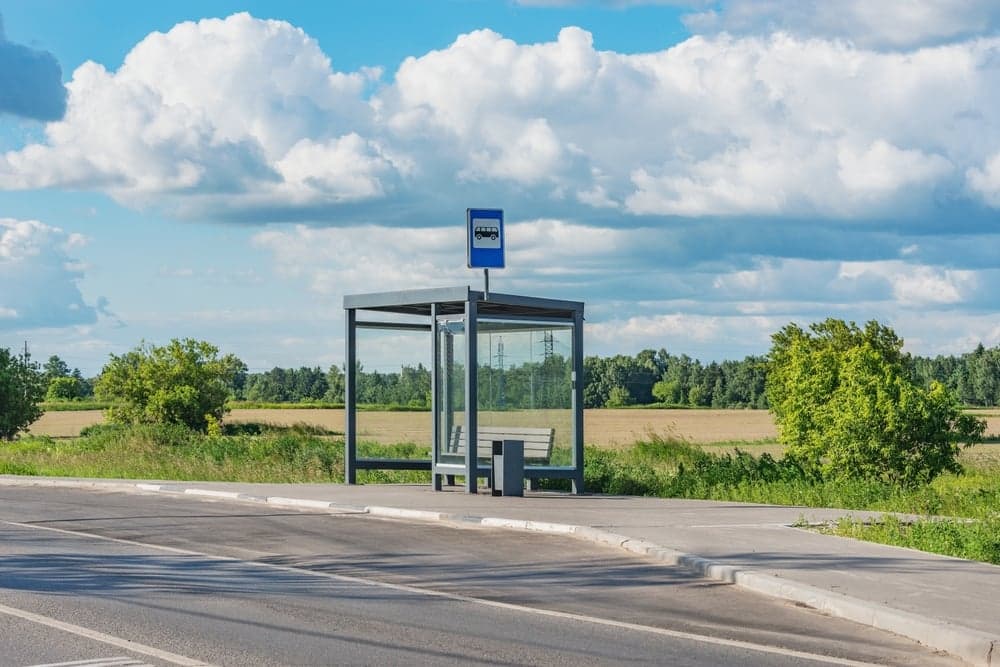
The Automated Halt Maneuvering (AHM) function helps drivers stop buses accurately and safely at bus stops. After activation, AHM takes over steering and braking below 15 km/h while the driver remains ready to intervene. Using pre‑mapped stops and sensor data, the system guides the bus precisely within 5cm of the platform at the correct boarding position, improving safety and accessibility for passengers.
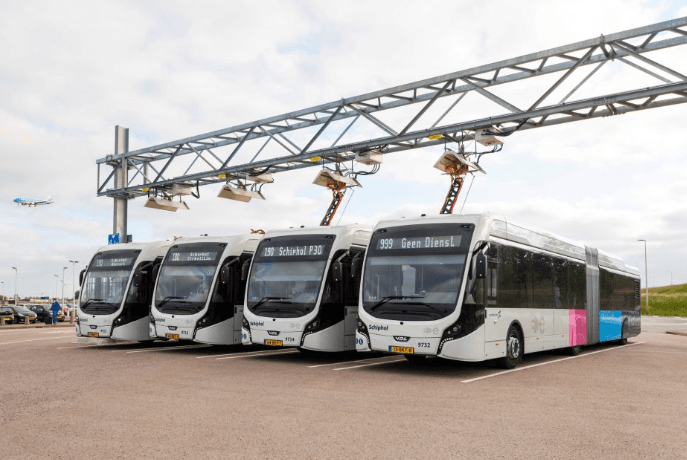
Covers automated charging within the yard. Chargers have fixed IDs and locations, enabling correct assignment to each vehicle. The vehicle autonomously navigates to the charger, aligns precisely, and connects automatically. The charging process is continuously monitored and any issues are reported immediately. Once charging is complete, the vehicle disconnect and moves on, freeing the charger.